Long, bright days invite people onto tracks, right into surf, and bent on sports fields. The period additionally focuses threat. Warm pushes bodies past their limitations. Water conceals currents and chilly shock. Outdoor gear cuts and burns. When something fails, the first 2 mins matter greater than the next twenty. That is why a based method to first aid, and the right first aid training, can turn an onlooker right into a decisive assistant as opposed to an anxious spectator.
This overview draws on typical summer season scenarios I have actually handled with neighborhood sports groups, surf clubs, and event crews. It links each circumstance to sensible steps any capable adult can learn, and it shows where a dedicated first aid course or CPR course offers the additional capability that changes results. It is not an alternative to hands-on guideline, yet it provides you the structure to act currently and plan for the season ahead.
Heat, hydration, and the distinction in between a wobble and a 000/911 call
Summer brings a range of heat diseases that can look deceptively similar initially glance. Sorting them rapidly overviews your response.

Heat aches turn up as uncomfortable convulsions in calf bone, hamstring, or abdominal muscles. They have a tendency to comply with heavy sweating and electrolyte loss. You will certainly see an or else alert individual, often an affordable type that pushed hard and consumed only water. Move them to shade, delicately stretch, and provide a drink with some salt. If signs reduce within an hour, you are on track.
Heat fatigue resembles collapse without clear complication. The person is pale or pale, perspiring, nauseated, and light-headed. Their pulse commonly runs fast and thready. Strip warmth out of the equation: shade, legs raised, eliminate excess garments, and apply evaporative cooling with a fan or a wet towel. Offer tiny sips if they can hold a cup and ingest without coughing. Healing typically takes 30 to 60 minutes, and they should not go back to physical effort that day.
Heat stroke is the high cliff side. The person is confused, irritable, or passing out. In some cases they stop sweating. Body temperature level can soar above 40 ° C (104 ° F). You do not wait and view. You call emergency services and awesome boldy during the wait. Cold water immersion is fastest if offered and safe. Otherwise, saturate garments, apply ice to the neck, underarms, and groin, and fan constantly. In a triathlon clinical camping tent a years earlier, I enjoyed 2 equally healthy competitors show up within five minutes of each other. The one we involved instantly in a wading pool walked out six hours later. The one who only received great towels took much longer to maintain. Quick air conditioning buys time for the brain.
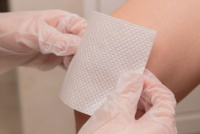
A strong first aid course will stroll you with this triage and let you exercise decision-making under time pressure. You can not imitate oppressive warm in a class, however you can rehearse the cues that separate a wobble from a crisis.
Water self-confidence and what in fact assists in the very first minute
Drowning is generally quiet. No swing, no dramatic telephone calls for help. In crowded water it commonly resembles someone calmly bobbing. Past prevention - picking patrolled beaches, understanding split currents, wearing lifejackets on boats - the first aid and CPR skill that matters most is your preparedness to intervene without coming to be a second casualty.
If you are not trained in water rescue, reach or throw before you go. A long branch, a towel, a life ring, even a cooler lid offers a struggling swimmer something to cling to while you stay anchored. If you need to go into the water, approach with a flotation protection aid in between you and the person, and preserve a safe range in case they get hold of at you.
Once ashore, check responsiveness and breathing. Gasping or agonal breaths do not count as regular. If the person is unresponsive and not breathing typically, start CPR instantly and ask somebody to call for aid and bring an AED. Compression-only CPR is far better than postponing to deliver rescue breaths if you are alone or awkward, but if you have present CPR training, integrate 30 compressions with two rescue breaths. In drowning, those breaths issue due to the fact that hypoxia is the primary insult.
I have utilized AEDs on coastlines and on pool decks. The gadgets train you detailed, yet speed of positioning impacts survival. Good cpr training eliminates the hesitation that costs secs. A cpr correspondence course annually is ideal when you spend time around water.
Bites, stings, and the summer menagerie
Different regions have various dangers, so examine neighborhood guidance. The principles listed below cover the bulk of summer season encounters.
Bee and wasp stings generally create instant pain, redness, and swelling. Remove the stinger quickly by scraping or snapping, not pressing. Use an ice bag. Expect hives away from the sting website, swelling of lips or tongue, hoarse voice, or difficulty breathing. That collection suggests anaphylaxis, which requires an epinephrine auto-injector if readily available and an immediate rescue action. After utilizing an auto-injector, lay the individual flat unless they are vomiting or having a hard time to breathe. A second dose can be offered if symptoms continue after five to 10 minutes.
Jellyfish differ from frustrating to life-threatening. In numerous warm coastlines, vinegar assists neutralize painful cells for box jellyfish and some loved ones, though it can get worse signs and symptoms for others. Local browse clubs and coastline patrols established the requirement for the location, so discover what they suggest. Do not massage sand right into the sting. Arms left on skin can keep shooting, so carefully raise them off with tweezers or the side of a card. Heat frequently decreases pain better than cold for certain stings, so a container of warm water at a risk-free temperature level can be much more efficient than an ice pack.
Snake attacks in warm months are rare however significant. Keep the person tranquility and still. Use a pressure immobilization plaster from listed below the bite up the limb, company and also, not a tourniquet. Splint the limb. Mark the moment. Do not cut, draw, or wash the wound. You want the venom trace to overview antivenom selection. Transport by ambulance.
Ticks bring their own regional obstacles. Remove a tick with fine-tipped tweezers, close to the skin, steady and straight. Tidy the site. In some areas, paralysis can happen from extended add-on. High-yield steps are straightforward: routine skin checks after bushwalking, light apparel you can inspect, repellent where appropriate, and tranquil elimination without turning the mouthparts.
A thorough first aid course will not only cover the auto mechanics, it local first aid course schedule will orient you to neighborhood protocols and evidence. Excellent instructors instruct judgment. For instance, advising a beachgoer to seek a physician after a serious jellyfish sting due to the fact that postponed responses can worsen, rather than swing them off once the pain settles.
Cuts, burns, and the facts of camp kitchens and yard barbecues
Ambition in a summer kitchen area frequently exceeds safety and security. Hot grills, skewers, and sharp knives integrate with sunlight fatigue and alcohol. I have actually seen a lot more hand lacerations on vacations than during whole winter months.
For bleeding cuts, your concerns are stress, elevation, and tidiness. Apply solid straight stress with a tidy fabric or dressing. Elevate the arm or leg if functional. Once bleeding reduces, wash with clean water. Eliminate visible particles with watering rather than digging at the injury, which simply drives dust much deeper. Stay clear of hydrogen peroxide or iodine inside the injury, both slow healing. Cover with a sterilized clothing. Look for stitches if the wound gapes, crosses a joint, won't quit hemorrhaging after ten minutes of solid stress, or if it gets on the face or a tendon-rich location like the hand.
Burns fall into three categories you should identify at a look. Superficial burns redden and sting; partial-thickness burns blister; full-thickness burns may look white or charred and can be strangely painless because nerve closings are destroyed. Cool burns under gently running great water for 20 minutes. Time matters more than elegant gels. Get rid of rings and jewelry early, prior to swelling traps them. Do not stand out sores. Cover with a tidy, non-adhesive dressing. For partial-thickness or bigger burns, seek treatment. If an artificial fabric has melted into the skin, cool it in place and leave elimination to specialists. Barbeque fat flare-ups often cause irregular burns with unanticipated depth, so err on the side of evaluation.
The best first aid kit for summertime kitchens is not made complex: saline pods or a clean water source, gauze, non-stick dressings, glue tape, a set of nitrile gloves, a tiny bottle of soap, and a roll of cling film to gently cover burns when you are far from care. The difference between knowing these essentials and screwing up with obsolete lotions shows up in recovery time and scarring.
Sun security past sunscreen
Most grownups know the SPF video game. Less appreciate exactly how other methods pile. Wide-brim hats exceed baseball caps because they protect the ears and neck. UV-rated long-sleeve tee shirts make you much less depending on best sun block reapplication, which rarely takes place after the 2nd swim. Pick shade each hour the sun climbs up higher as opposed to toughing it out. If you do obtain burned, the first aid action resembles other shallow burns: great running water, easy moisturizer after the warmth discolors, and hydration. Avoid topical anesthetics that can sensitize skin.
Heat additionally reveals medications and problems. Diuretics, particular antihypertensives, antihistamines, and stimulant medications can alter thermoregulation or hydration needs. Bronchial asthma usually flares with warm and smoke from fires or grills. A well-constructed first aid and cpr course generally includes a component on clinical emergency situations that have a tendency to escalate fast outdoors, from bronchial asthma to diabetic person hypoglycemia. Request that when you book.
Allergies, bronchial asthma, and the summer season storm effect
Warm air holds even more plant pollen. Fields dry, dust rises. In sports setups I maintain 2 mental lists: that brings an inhaler, and who has an EpiPen. You can not always recognize, so you look for signature patterns.
Asthma in a game or run frequently resembles slowing down speed and a cough that does not appear effective. After that comes the distinct wheeze. If the person is still talking in sentences, instructor them through four smokes of a short-acting inhaler with a spacer, one at a time, slow breaths in between. If they are struggling to speak or their lips look dusky, ask for an ambulance while you assist. Repeat doses as symptoms dictate, not according to cool five-minute blocks.
Anaphylaxis progresses over mins. Skin indications can be subtle or missing. Pay more attention to breathing and flow: swelling, tight chest, hoarse voice, lightheadedness, collapse. Make use of the auto-injector immediately if criteria are satisfied. Lay the individual flat, other than if they are vomiting, in which situation put them on their side. Maintain them still. Abrupt standing after epinephrine takes the chance of an unsafe decrease in high blood pressure. This is among those information covered well in reputable first aid courses that prepare volunteers for sporting activities or institution settings.
Wilderness days: walks, climbs, and remote swims
Distance from treatment modifications everything. A sprained ankle on a city loophole is a hassle. The exact same injury on a ridge line develops into a patient product packaging workout, resource allowance, and a communication challenge.
Sprains and fractures demand the very same initial treatment: stop movement, evaluate distal flow and sensation, and splint in the placement of comfort. Cooling with water or a cold pack decreases swelling early, but in wild setups conserve water first. The choice to evacuate or wait can be nuanced. If a person can birth weight with a strolling stick and you are within 2 kilometers of a road, a careful assisted exit may defeat waiting hours for a stretcher carry. If they can not feel their toes or discomfort is severe and relentless, stay, keep them warm, and require help.
Blisters wreck trips. One of the most efficient first aid is prevention: dry socks, smooth insoles, tape or hydrocolloid dressings on locations at the first tingle. If a sore forms and you need to maintain relocating, tidy, lance at the edge with a sterilized needle, share liquid, leave the roof covering in position, and cover. Over many team hikes, this technique has actually conserved even more morale than any pep talk.
Hypothermia still takes place in summertime, especially after an unanticipated swim or tornado. Wind strips warmth quick. The repair is sanctuary, insulation from the ground, and dry layers. Warm, sweet beverages assist if the person looks out. Prevent rapid energetic rewarming of limbs in field problems because cold blood going back to the core can intensify things. Good remote first aid training explores these side situations and gives you the hard-won behaviors - for example, always packing a light bivy bag or room blanket also on blue-sky days.
Sports sidelines: accidents, concussions, and cardiac arrest on the rare day it matters
Weekend organizations expand faster than their safety and security ability. A solitary experienced volunteer and an AED per field transforms that equation. I have seen both results when that gear was and was not present. Prep work is not paranoia, it is regard for the numbers.
Concussion recognition maintains players safe. A dazed look, slow answers, equilibrium problems, frustration, nausea or vomiting, or state of mind modification must eliminate somebody from play. They do not need to be knocked senseless. There is no same-day return. Created return-to-play advice exists throughout codes, but the on-field choice is straightforward: if unsure, sit them out. Display for warnings like worsening headache, repeated throwing up, seizure, or unusual sleepiness, and prepare clinical assessment.
Nosebleeds, finger dislocations, and contusions fill the remainder of the event publication. Direct stress on soft spots beside the bony bridge aids nosebleeds. For a finger that looks out of location, splint it where it lies and cool; do not yank it back unless you are educated and it is urgent. These low-drama phone calls build your trustworthiness so that, when you ask to quit a suit for an unhealthy gamer, people listen.
Sudden cardiac arrest during sporting activity is rare but memorable. Immediate CPR and defibrillation within 3 to five minutes can more than double survival. That is the reason a cpr course and easy AED gain access to are not high-ends. A first aid pro on the sideline normally runs the choreography: someone on compressions, one on the AED, one calling emergency situation solutions and flagging down responders, one clearing up area and collecting a background. Practice the choreography at the start of the period. Muscle memory defeats chaos.
Food, drink, and the pleasant trap of an excellent picnic
Food poisoning hardly ever kills a day outright, however it can paralyze a week. Spoilage threat spikes above 5 ° C. Keep cold foods cold in protected coolers with enough ice to exceed opening and closing. Raw meat at a barbecue need to not join salads, and a different set of tongs for cooked food is non-negotiable. At big celebrations I appoint one person to food safety and security. This straightforward duty prevents the diffusion of duty that brings about hen resting half-cooked while somebody tells a story.
Hydration has to do with planning, not catch-up. Thirst delays. When I team ultras or instructor junior teams in summer, I budget fluids at 400 to 800 ml per hour relying on heat and strength, with salt consumption matched with food or electrolyte beverages when sweat rates are high. People vary substantially. A smaller sized athlete that sips regularly may do fine at the reduced end, while a heavy sweatshirt in a black package requires more. Overhydration is real. If a person is consuming excessively, throwing up, and has a migraine after lengthy endurance initiatives, take into consideration hyponatremia and seek treatment instead of pressing more water.
Alcohol strips judgment and sychronisation. One of the most usual pattern I see is a sober configuration complied with by a progressively less conscientious environment as the celebration rolls on. Establish safety supports before the first drink. Designate a sober swimmer or captain for water. Place the first aid kit in a noticeable area and show 2 individuals exactly how to make use of the AED on scene. You do not wish to brief a panicked group after a crash starts unfolding.
Children, warm, and the surprise hazards around home
Backyards and vacation rentals really feel secure, which is why they breed complacency. Toddlers find water, pet dogs, and sharp edges with precision. The most effective antidote is a practice of scanning.
Kiddie pools, containers, and open eskies with meltwater are drowning threats for children that can not right themselves. Vacant them after usage and fencing permanent pools. Keep warm beverage mugs and barbeque tools unreachable. Sunlight camping tents provide babies shade without the sun block difficulty. In strollers, clip-on fans assist just if the canopy permits airflow; otherwise, you produce a hotbox. Check car seats and rears every trip. Terrible outcomes frequently comply with little regular changes, like a various moms and dad doing drop-off. Integrate in reminders.
A first aid and cpr course customized to moms and dads covers baby choking and CPR. The strategy varies from adult protocols, and practicing on an infant manikin makes a long lasting impact. People bear in mind the self-confidence of that very first chest surge after appropriate breaths during a course, and it sticks when they require it.
Building a summer-ready first aid kit and skills that match your plans
Your first aid package ought to show what you do. A household that camps two times a month requires extra robust supplies than a periodic beachgoer. The same chooses skills. If you volunteer with a browse club, your cpr training need to consist of rescue breathing and oxygen admin. If you lead walkings, a wilderness-oriented first aid course that highlights improvisation deserves the added hours. The right first aid and cpr course spends for itself the very first time you use also one ability under pressure.
Here is a small checklist to tune both equipment and training prior to summertime increases:
- Match your first aid training to your activities: typical first aid for home and workplace, include cpr course with AED for sports and water, think about wild modules for remote trips. Check your first aid certificate expiration and book a cpr refresher course if you are past 12 to 24 months given that your last session. Audit and replenish packages: dated products like glue dressings, sterilized saline, and medications weaken; change missing gloves, gauze, and melt dressings. Identify AED places at your routine locations and map the quickest courses in. If you have one, test pads and batteries. Set duties for repeating events: someone responsible for the package, one trained in first aid and cpr, one marked to call EMS if needed.
The listing above lives well on a fridge or in a group chat. It is short deliberately. Anything longer gathers dust.
How to select the best course and provider
Not all first aid courses satisfy the exact same requirement. Aim for programs that straighten with nationwide or international guidelines, upgrade material every year, and consist of situation method, not simply powerpoint. Good carriers divulge the range plainly: what you will discover, for how long it takes, the proportion of students to instructors, and the credential you obtain at the end.
For many individuals, the baseline program is a blended first aid and cpr course that covers bleeding control, burns, fractures, medical emergency situations like bronchial asthma and anaphylaxis, and high-quality CPR with AED usage. If your work or volunteer role places you around kids, demand pediatric components. If you invest weekends by the water, pick a program that stresses sinking acknowledgment and rescue breathing. If you handle groups or occasions, ask whether the training course consists of event command essentials and just how to coordinate bystanders.
The value of a first aid pro as an instructor is their case-based teaching. They will share actual resuscitations, warmth falls down, or anaphylaxis occasions and show you how they browsed the untidy details. They will certainly also test you with what-if circumstances: what if the AED fails to evaluate, what happens if the hurt jogger refuses care, suppose lightning strikes near your area and you require to clear thousands of people in mins. Those discussions develop judgment greater than remembering steps.
Finally, plan for refreshers. The majority of licensing bodies established first aid certificate legitimacy between two and 3 years and advise annual cpr refresher course sessions. Abilities degeneration is not a moral falling short, it is human nature. Short, hands-on refreshers maintain compressions deep, breaths effective, and decision trees clear.
When to miss heroics and call for assistance early
Experience educates restraint. There are times when first aid is about control while specialist help mobilizes. A float-plane mishap, a subconscious scuba diver, a presumed back injury in browse, or an upper body discomfort scenario in a middle-aged viewer who looks grey and perspiring - your ideal step is to call promptly, keep the individual still, and prepare to begin CPR if needed. Do not be humiliated by a false alarm. Dispatchers prefer to terminate an action than show up late to an avoidable catastrophe.
At huge occasions, we organize a runner at the local cross street to satisfy paramedics. In remote setups, we bring a billed satellite communicator. Around water, we practice signals and have toss ropes available. These practices set you back bit, and they acquire speed.
The summer state of mind: strategy, notification, act
Safety in summer comes down to three behaviors. Strategy with the weather and your team's capabilities in mind. Notification the refined signs when people wander toward problem: the quiet swimmer, the flushed runner who is not sweating, the youngster that is suddenly too quiet near the swimming pool, the visitor that maintains massaging their upper body. Act early with simple, definitive actions as opposed to waiting for clarity that seldom shows up all at once.
Competence is not luck. It is learned. Whether you sign up for a neighborhood first aid course, publication cpr training with your sporting activities club, or commit to a first aid and cpr courses pack that checks off your first aid certificate for the year, the investment pays across countless little minutes you will hardly bear in mind and the few huge ones you will never ever forget.

Summer intensifies delight and threat in equivalent measure. Equip on your own to tip the balance.